

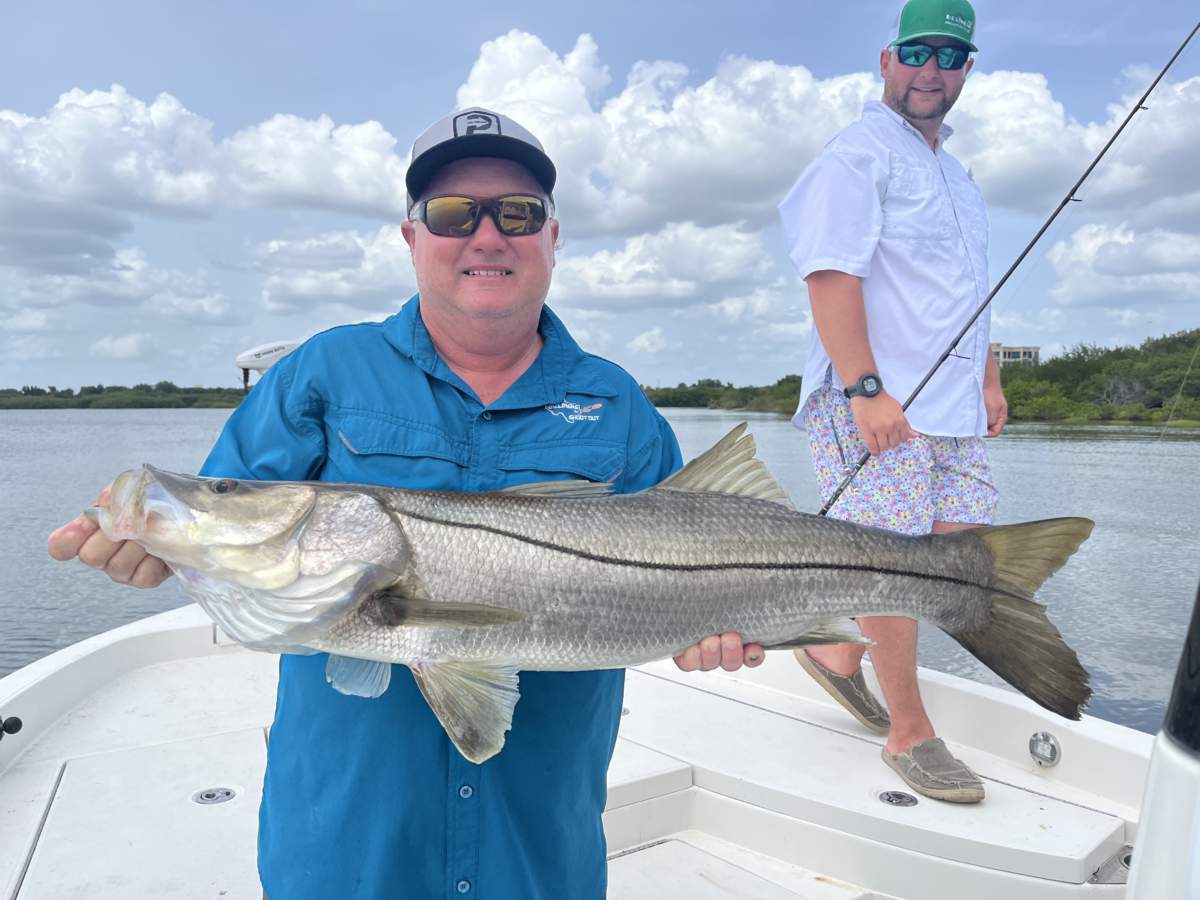
The 2026 Florida snook season includes specific open and closed dates, regional regulations, and slot size limits. Below are the official season dates and bag limits you need to know before fishing for snook in Florida.
Snook sit at the center of Florida’s inshore fishing culture for a reason. They’re powerful, structure-oriented fish that live close to where people actually fish—bridges, docks, passes, mangrove shorelines, and beach troughs. You don’t need a long offshore run or specialized gear to encounter them. What you do need is an understanding of how snook move through the year and how Florida’s seasons and regulations shape when, where, and how you can target them.
Snook fishing changes more dramatically by season than many fishermen expect. Water temperature, spawning behavior, and regional weather patterns all play a role, and Florida’s regulations follow those biological realities closely. Knowing the calendar matters—not just for staying legal, but for putting yourself in the right places at the right times.
This guide goes over the 2026 snook season across Florida, explains how seasonal conditions affect snook behavior, and gives practical insight into where fishermen focus their efforts throughout the year. The goal is simple: help you understand how snook fishing works here, month by month.
Why snook fishing is so seasonal in Florida
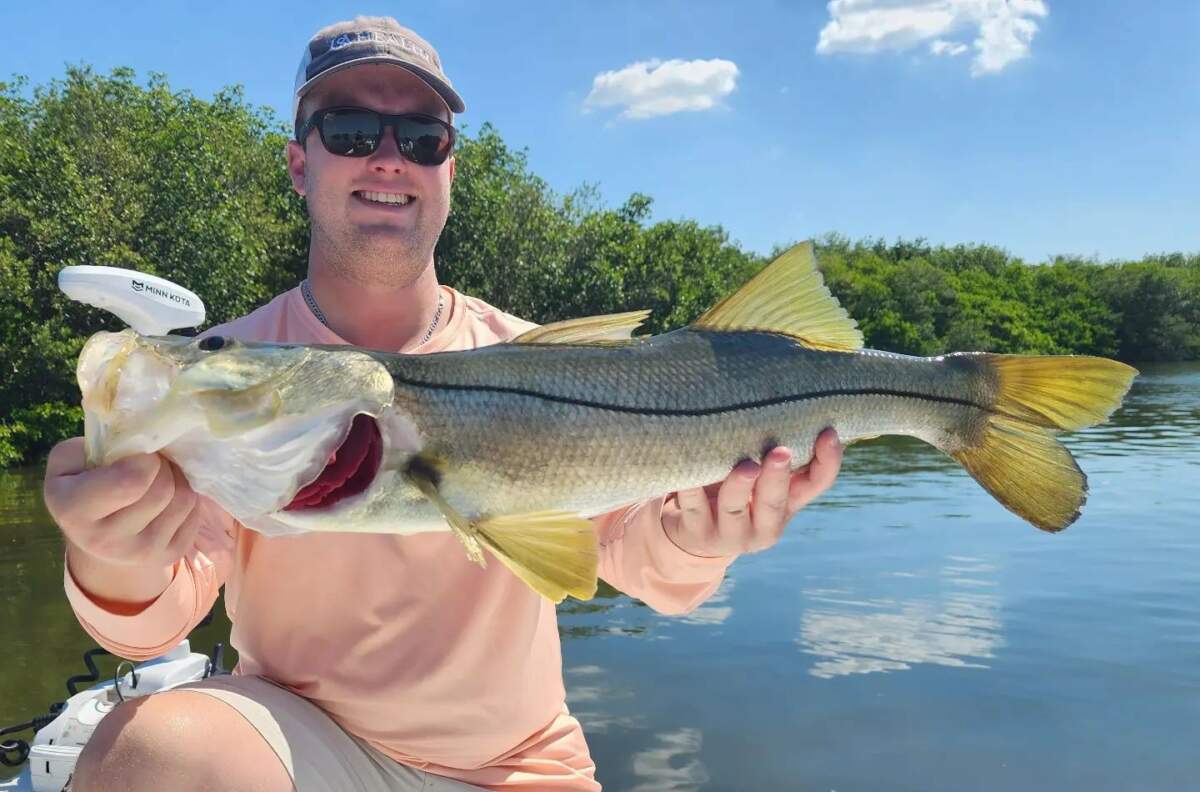 Snook are temperature-sensitive fish. Once water temperatures drop into the low 60s, their metabolism slows and they become far less aggressive. Cold snaps can push them into deeper canals, residential waterways, and warm-water refuges where fishing pressure and handling stress matter more. On the other end of the spectrum, sustained warm water triggers spawning behavior, pushing snook toward inlets, beaches, and passes where tidal flow concentrates bait.
Florida’s snook regulations are built around this cycle. Closed seasons are timed to protect spawning fish during the peak summer months and to reduce pressure during colder periods when snook are more vulnerable. Open seasons line up with transitional windows—when fish are feeding actively and spread across accessible habitat.
What this guide will cover
- A clear look at 2026 snook seasons and harvest rules
- How snook behavior shifts from winter through summer
- Where fishermen focus their efforts during each phase of the year
- Regional considerations that affect snook fishing along Florida’s coasts
- Foundational tactics that align with how snook position themselves seasonally
If you fish waters in The Sunshine State regularly—or you’re planning a trip and want to time it right—this Florida snook fishing guide will give you a realistic picture of what to expect and how to adapt as conditions change.
Snook Season & Size Limits across the State of Florida
Snook may feel like a constant presence along Florida’s shorelines, but they’re one of the more tightly managed inshore species in the state. That management has become more granular over time. Florida now divides snook regulations into nine distinct management regions, reflecting real biological and environmental differences across coastlines, estuaries, and river systems. While many of the rules overlap, the differences that do exist matter—especially if you fish multiple regions over the course of a year.
At a high level, Florida’s snook regulations control three things: when you can keep a fish, how many you can keep, and the exact size range that’s legal. Everything else—gear, location, technique—flows downstream from those constraints.
Below is a snapshot of the current regional framework for 2026. Always confirm before fishing, but this table reflects how the state has structured snook seasons in recent years.
| Region | Season | Size Limit | Bag Limit |
|---|---|---|---|
| Tampa Bay | Mar 1 – Apr 30, Sep 1 – Nov 30 | 28″–33″ | 1 |
| Sarasota Bay | Mar 1 – Apr 30, Oct 1 – Nov 30 | 28″–33″ | 1 |
| Charlotte Harbor | Mar 1 – Apr 30, Oct 1 – Nov 30 | 28″–33″ | 1 |
| Southwest | Mar 1 – Apr 30, Oct 1 – Nov 30 | 28″–33″ | 1 |
| Southeast | Feb 1 – May 31, Sep 1 – Dec 14 | 28″–32″ | 1 |
| Indian River Lagoon | Feb 1 – May 31, Sep 1 – Dec 14 | 28″–32″ | 1 |
| Northeast | Feb 1 – May 31, Sep 1 – Dec 14 | 28″–32″ | 1 |
| Big Bend | Mar 1 – Apr 30, Sep 1 – Nov 30 | 28″–33″ | 1 |
| Panhandle | Mar 1 – Apr 30, Sep 1 – Nov 30 | 28″–33″ | 1 |
How Florida’s snook regulations break down
Rather than thinking in terms of nine entirely different rulebooks, it’s more useful to understand how the state groups regions with similar seasonal logic.
Panhandle, Big Bend, Tampa Bay, and Sarasota Bay
These regions share the same general structure. Snook harvest is closed from December 1 through the end of February, when colder water temperatures make fish more vulnerable, and again from May 1 through August 31, which covers peak spawning months. During open periods, fishermen may keep 1 snook per person, measuring 28 to 33 inches, measured from the tip of the jaw to the tip of the tail.
This schedule reflects the balance between winter cold protection and summer spawning protection in areas where water temperatures can fluctuate sharply and spawning aggregations are predictable.
Charlotte Harbor and the Southwest region
Charlotte Harbor and the broader Southwest region follow a similar pattern, with one important difference: the fall reopening starts later. Here, snook harvest is closed from December 1 through the end of February, then again from May 1 through September 30. That extra month of closure reflects the importance of late-summer and early-fall spawning activity in this region’s passes, beaches, and nearshore structure.
When the season is open, the rule remains straightforward: 1 snook, 28 to 33 inches.
Southeast, Indian River Lagoon, and Northeast regions
The Atlantic side of the state runs on a slightly different calendar. These regions close from December 15 through January 31, then again from June 1 through August 31. The open windows are longer in spring and fall, but the slot limit is narrower: 28 to 32 inches, with a 1-fish bag limit.
That tighter upper slot reflects population structure differences on the Atlantic coast, where growth rates, spawning behavior, and habitat availability don’t mirror the Gulf side perfectly.
Why these rules change
Snook management in Florida is adaptive by design. The Florida Fish and Wildlife Conservation Commission conducts regular stock assessments, spawning studies, and recruitment analysis. Cold events, red tide, habitat loss, and fishing pressure all feed into those evaluations.
As a result, snook regulations are reviewed annually. Slot limits, season dates, and even regional boundaries can shift based on what the data shows. If you fish snook seriously—or travel between regions—it’s worth checking the current year’s regulations every season, even if you think you already know them.
When is the best time to fish for Snook?
Snook can be caught in Florida every month of the year. What changes is not whether they bite, but where they position themselves and how predictable the bite becomes. Snook are a warm-water species, and once water temperatures stabilize above the low 70s, their behavior is more consistent.
Across most of Florida, the strongest overall snook fishing lines up with late spring through summer. From May through September, snook are fully active, feeding regularly and moving into classic ambush zones. June, July, and August tend to produce the largest fish of the year, especially around tidal choke points where spawning activity concentrates fish and bait in the same places night after night.
During this window, mature snook stage near inlets, passes, and beach-adjacent structure, using current breaks and depth changes to hold position. These are the fish most people associate with “trophy season,” not because they are rare, but because their movements are exposed and repeatable.
Best time of day to catch snook
Snook feed most aggressively during low-light periods. Dawn and dusk remain the most reliable windows, particularly during the warmer months when daytime boat traffic and bright sun push fish tighter to cover. Early morning outgoing tides often combine multiple advantages at once: reduced light, moving water, and bait flushing from backwater areas.
Night fishing can be just as productive, sometimes more so. Snook frequently set up around dock lights, bridge shadow lines, and illuminated seawalls, where artificial light pulls bait into predictable lanes. Once fish establish themselves in these zones, the action can stay steady for hours rather than minutes.
The key at night is patience. Snook don’t always rush a presentation. They track, follow, and commit when the timing lines up with current and light angle.
Tides are the real trigger
Snook fishing improves dramatically when water is moving. Slack tide periods tend to scatter fish and slow the bite. The most reliable window, especially in estuaries and passes, is often the first one to two hours of the outgoing tide. This is when bait is forced off flats, out of mangroves, and through narrow funnels that snook naturally patrol.
Incoming tides can still produce fish, particularly near shorelines and flooded structure, but outgoing water concentrates fish more tightly and makes their positioning easier to read.
Best Snook Fishing Spots in Florida
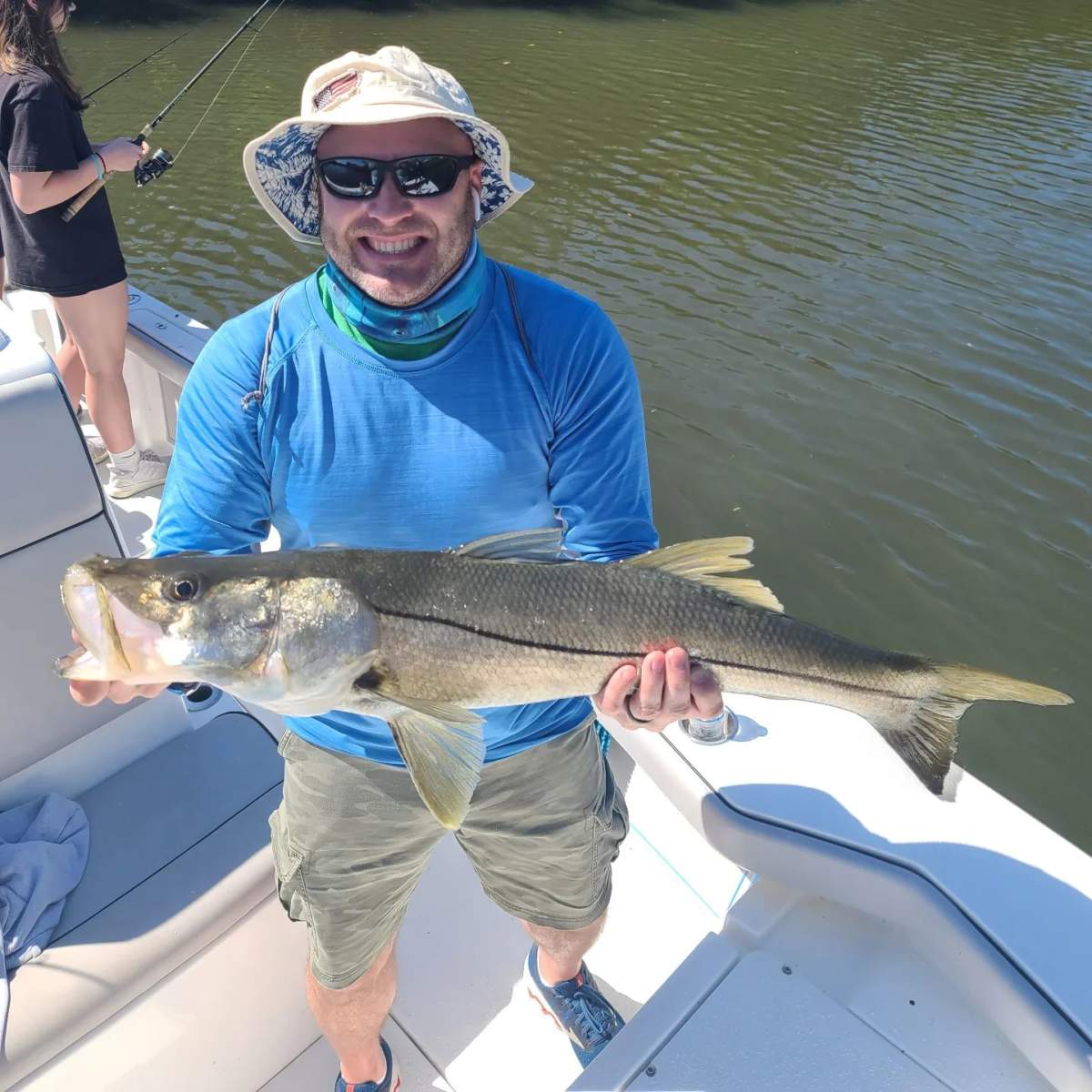
Snook can be found across most of Florida’s coastal waters, from the Panhandle down through South Florida and up the Atlantic side. Now of course, wide range doesn’t mean every stretch of coast fishes the same. Snook are structure-oriented fish that rely on specific habitat: moving water, ambush points, temperature refuge, and access to bait. The places that consistently produce snook year after year are the ones where those elements overlap naturally.
Across the State of Florida, the strongest snook fisheries tend to sit near estuaries with multiple freshwater inputs, strong tidal exchange, and complex shoreline structure. That combination gives snook options. When water cools, they slide upriver or into canals. When it warms, they move toward passes, beaches, and open bay shorelines. When conditions shift suddenly, they don’t have to travel far to adjust.
Tampa Bay
Tampa Bay stands out because it offers more of that habitat variety in one connected system than almost anywhere else in the state. Multiple rivers feed the bay, including the Hillsborough River, Alafia River, and Manatee River, creating long gradients of salinity and temperature that snook use throughout the year.
Inside the bay, extensive grass flats and oyster bars provide feeding grounds during warmer months, while mangrove-lined shorelines and residential canals offer linesiders shelter when temperatures drop. A snook that spends summer nights staging near a pass can end up miles upriver by winter without ever leaving fishable water.
The Tampa Bay area also supports a wide range of fishing styles, often within the same day. Snook fishing charters could involve fishing in shallow water, working grass edges, fishing dock lines at night, or targeting deeper river bends during cold spells all as part of the same system.
That flexibility’s a big reason why the local snook population in Tampa Bay here feels so consistent across seasons. Tampa Bay flats fishing in particular is what draws many fishermen in. Large expanses of shallow water allow snook to spread out and feed naturally, especially during warm, stable weather. When conditions line up—moving water, moderate wind, and clean visibility—these areas produce steady action without requiring long runs or specialized setups.

What ultimately makes the Tampa Bay region (including Anna Maria Island fishing) exceptional for fishing adventures isn’t one single hotspot or secret stretch of shoreline. It’s the way multiple habitats stack together, giving snook predictable movement patterns and giving fishermen options no matter the season.
At the end of the day whether you’re focused on snook specifically or hoping to encounter a mix of inshore species along the way, Tampa Bay remains one of the most reliable places in Florida to do it.
St Petersburg
St. Petersburg falls squarely within Tampa Bay, which puts it in the same regulatory region, seasonal behavior patterns, and habitat mix that make Tampa Bay such a strong snook fishery overall. There’s no separate “St. Pete rule set” to worry about—snook fishing here follows the standard Tampa Bay regulations and seasonal structure.
From a fishing standpoint, St. Petersburg is very well-positioned because it sits on the western side of the bay, closer to Gulf passes and nearshore movement routes, which makes a difference when you’re targeting linesiders.
Here’s why St. Pete is such a strong place to fish for them:
Snook in this part of the bay have quick access to passes, bridges, residential canals, seawalls, and open flats without long transitions. During warmer months, fish stage near tidal funnels and shadow lines. During colder weather, they slide into canals and deeper residential water where temperatures stay more stable. You don’t have to wait for fish to migrate into the system—they’re already here.
Areas around the Skyway Fishing Pier State Park footprint, nearby bridge structure, and the web of canals running through St. Pete neighborhoods are all classic snook water. At night, dock lights become focal points. During moving tides, fish line up along edges and current seams instead of roaming aimlessly.
Now from a “best snook fishing in Florida” perspective, St. Petersburg checks a lot of boxes that other regions don’t all hit at once:
- Year-round catch-and-release opportunity
- Strong summer spawning presence nearby
- Reliable winter refuge water close to shore
- Minimal run time to productive structure
- Consistent fish behavior tied to tides and light
There are places in Florida that produce big fish during very specific windows, and places that fish well only part of the year. Tampa Bay and St. Pete’s advantage is consistency. You can fish here in January or July and still be targeting snook intelligently—just in different water, with different expectations.
How to Catch Snook in Florida

Catching snook consistently starts with understanding where they position themselves and why. Snook are coastal fish that thrive in brackish water, and they gravitate toward structure that gives them both protection and a feeding advantage. They’re ambush predators. Anything that creates shade, current breaks, or a funnel for bait is worth your attention.
Across Florida, that usually means mangrove shorelines, bridge pilings, dock lines, seawalls, creek mouths, and grass-flat edges. In calmer conditions, snook often hold tight to mangrove roots or shaded dock corners, barely moving unless bait drifts within range. When tides pick up, they slide closer to points, cuts, and current seams where food is forced past them.
Larger snook tend to spend more time around passes and inlets, especially during warmer months. These areas concentrate bait naturally, and the constant water movement allows snook to feed efficiently without burning energy. During spawning season, many of the biggest fish in a system will cycle in and out of these zones daily, often holding just off the main current and sliding in to feed when conditions line up.
Bait and lure selection
Snook are opportunistic feeders, which is why they’ll eat a wide range of offerings. Live bait remains the most reliable option for many fishermen, especially when targeting fish holding tight to structure. Mullet, pilchards, shrimp, pinfish, and small crabs all produce when presented naturally with the tide.
That said, artificial lures are extremely effective when matched to conditions. Topwater plugs excel during low-light periods over shallow flats and along mangrove edges. Soft plastics on jig heads work well in deeper water or stronger current, especially around passes and docks. Bucktail jigs remain a staple for fishing moving water, and twitchbaits shine around dock lights and bridge shadows at night.
The key isn’t the lure itself—it’s presentation. Snook are selective when pressured. A bait or lure that moves naturally with the current and stays in the strike zone longer will outproduce something flashy that moves too fast or against the flow.
Gear selection for snook fishing
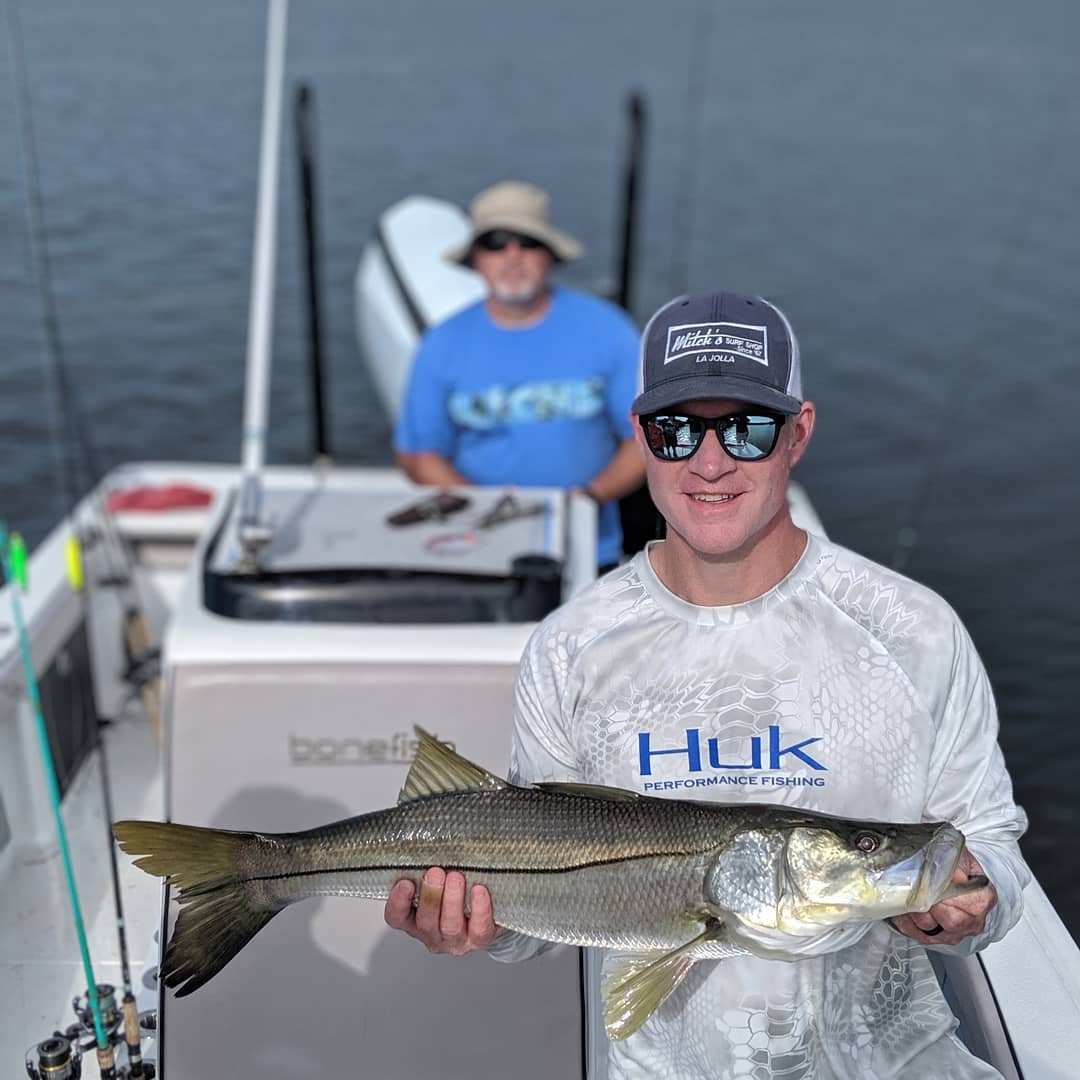
Snook are powerful fish that live close to cover, so gear needs to balance finesse with control. A medium-heavy spinning rod with a 4000-size reel is popular because it covers the widest range of real-world snook situations without forcing compromises. For example, in Tampa Bay you’re often pulling fish away from docks, mangroves, bridge pilings, or seawalls. That rod power gives you leverage when a snook turns for cover, while still letting you fish live bait or artificials without feeling clumsy. A 4000 reel provides enough drag and line capacity for longer runs without becoming bulky for all-day fishing. That said, plenty of fishermen successfully downsize or upsize depending on where they’re fishing:
In tight residential canals or under docks, many use a 3000-size reel for quicker handling and less fatigue.
Around passes, bridges, or heavier current, a 5000-size reel isn’t excessive, especially when fishing heavier leaders or larger baits.
Spooling with 20–30 lb braided line gives you sensitivity and strength. Lighter braid can work, but once a snook wraps you around structure, breaking strength matters more than casting distance. Heavier braid than 30 lb usually doesn’t gain much unless you’re fishing extreme structure or very heavy current.
Fluorocarbon leaders are the right call in Tampa Bay because water clarity fluctuates and fish see a lot of pressure. Leader choice is where fishermen should actually adjust the most:
- 40–60 lb leader around docks, mangroves, bridge pilings, and riprap
- 25–30 lb leader on open flats, grass edges, or calmer water
Leader length is personal preference. That said, length and strength should match the structure you’re fishing. Short leaders help with control around structure. Longer leaders help when fish are spooky or water is clear.
Around docks, mangroves, and bridge pilings, abrasion resistance matters more than stealth. In open flats or calmer water, lighter leaders help get more bites.
Hook choice also plays a role, especially when fishing live bait. Circle hooks in the 3/0 range and up allow for solid hookups while reducing deep hooking, which matters when fishing around tight cover or during times of higher catch-and-release pressure.
This setup is just one answer to “how to catch snook.” But if someone showed up in Tampa Bay with exactly that gear, they wouldn’t be under-gunned, over-gunned, or mismatched for the conditions. It’s a reliable baseline that works across seasons, tides, and structure, which is why it keeps showing up in serious snook fishing discussions among Floridians.
Bottom Line on Snook Fishing in Florida
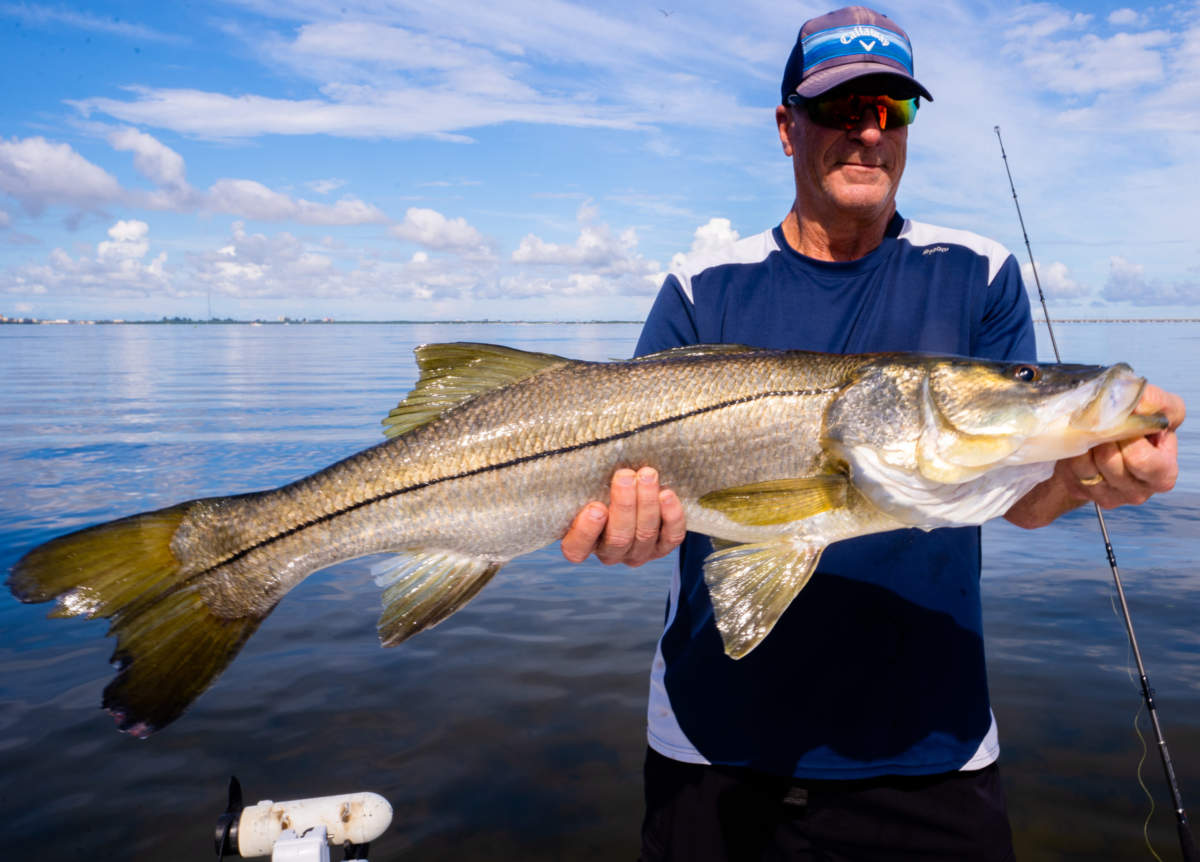
Snook earn their reputation because they combine accessibility with challenge. They live close to shore, relate tightly to structure, and react strongly to changes in tide, light, and temperature. That makes them predictable in the long view and demanding in the moment. You can find them year-round, but success comes from understanding how they move through Florida’s estuaries as conditions change.
Florida’s seasonal regulations, slot limits, and regional differences aren’t obstacles—they’re a map. They point directly to when snook are most active, when they’re most vulnerable, and where fishermen should focus their efforts. When you line up water temperature, tide movement, and low-light conditions, snook fishing becomes less about luck and more about timing and positioning.
For a lot of fishermen, Tampa Bay is where all of that comes together. Our area’s rivers, grass flats, mangrove shorelines, passes, and nearshore structure give snook room to shift habitat without leaving the system. That consistency is why Tampa Bay produces reliable snook fishing across seasons and skill levels. Book your Tampa Bay snook fishing charter here.