
Guide to Lobstering in Key West & the Florida Keys
Here in Key West and throughout the Florida Keys, lobstering is more than just a seasonal activity — it’s a long-standing tradition. Every summer, locals and visitors look forward to lobster season, when warm water, clear visibility, and healthy reef systems create some of the best lobstering opportunities anywhere in Florida.
Whether you’re planning to take part in mini season, dive during the regular season, or simply want to understand how lobstering works in the Keys, this guide covers everything you need to know. From seasons and regulations to gear, techniques, and common mistakes, this is a complete overview of lobstering in Key West and the Florida Keys.
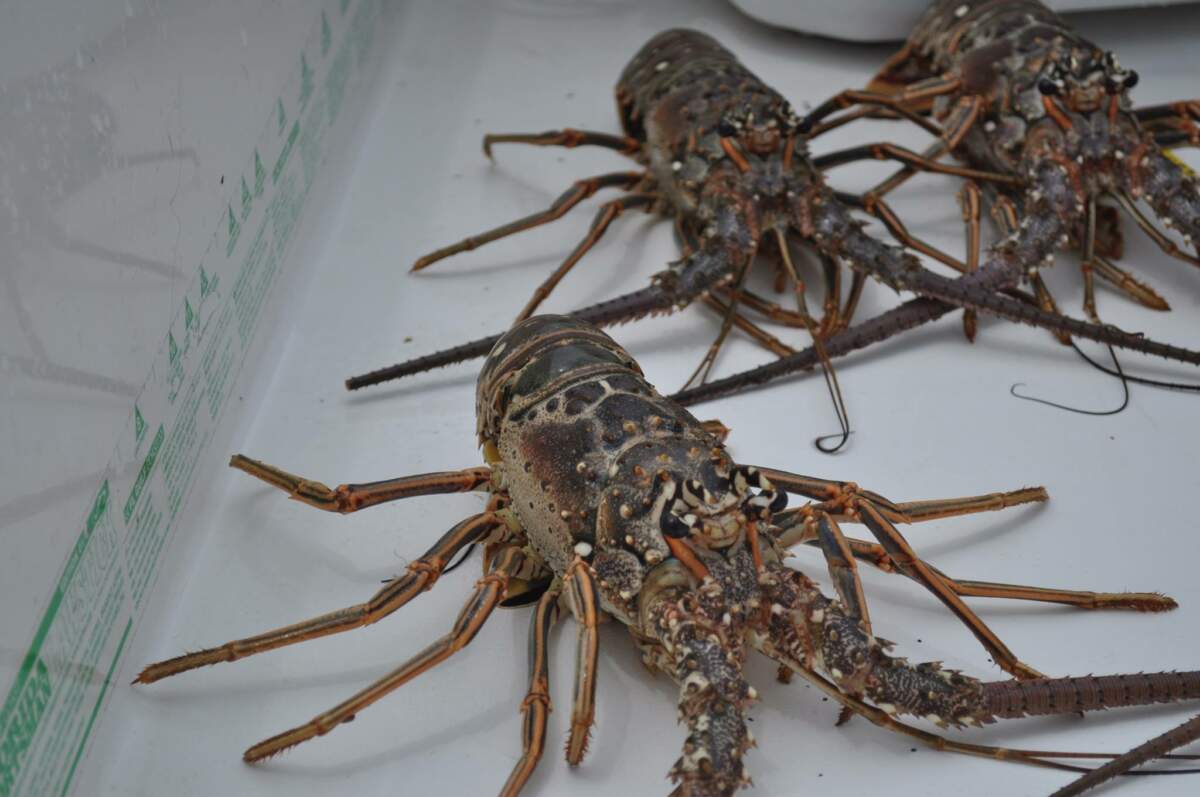
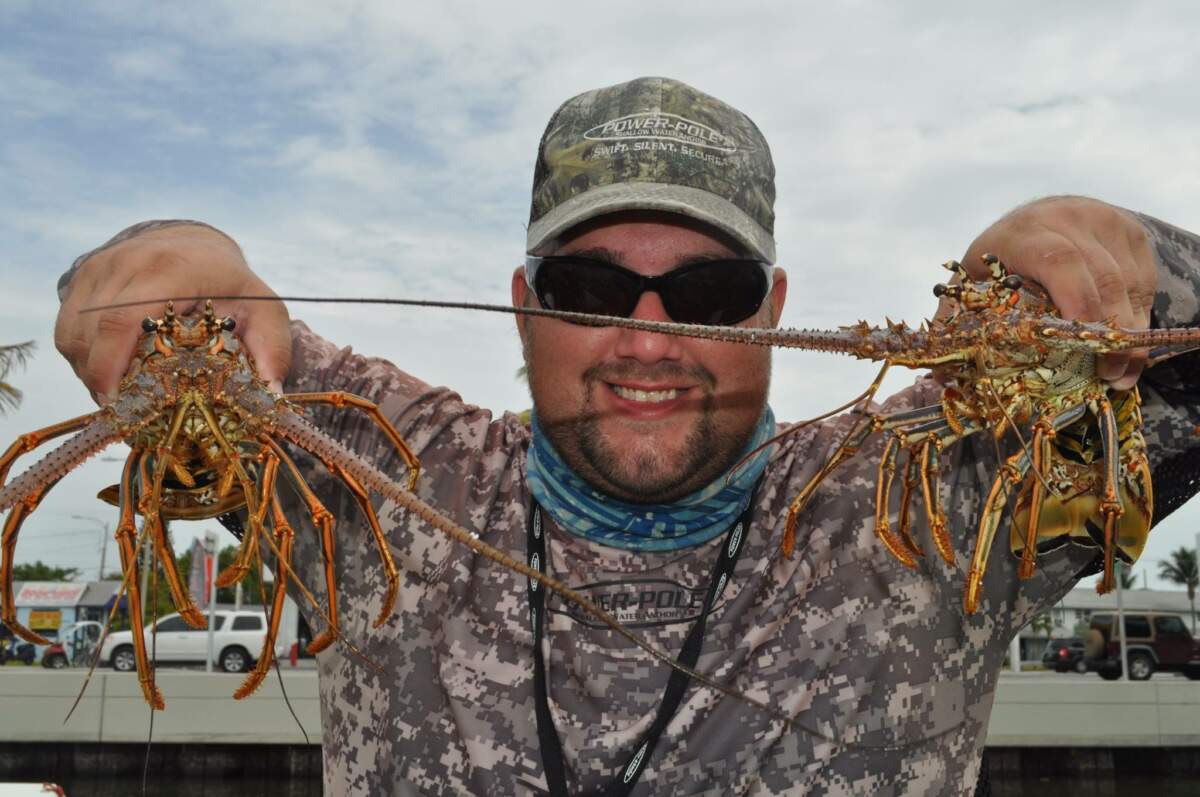
This short video shows spiny lobster being harvested legally in the waters around Key West.
[embedyt] https://www.youtube.com/watch?v=_ZGmVZ_4abY[/embedyt]
Lobster Season in Key West & the Florida Keys
Spiny lobster season in the Florida Keys is divided into two main periods: mini season and regular season.
Mini season is a short, two-day recreational harvest period that takes place in late July. During this time, lobster are plentiful and conditions are often excellent, but boating traffic and diver pressure can be heavy in popular areas around Key West. For the most up-to-date season dates and regulation updates, see our 2026 Lobstering in the Florida Keys guide.
The regular lobster season opens shortly after mini season and runs through the end of March. During the regular season, lobster are more spread out and fishing pressure is lighter, especially during the fall and winter months. Many experienced lobster hunters prefer this time of year due to improved water clarity and fewer crowds.
Weather and water conditions play a major role in success. Calm days with light winds and good visibility make it much easier to spot lobster hiding in reef structure and rocky bottom.
Licensing & Regulations for Lobstering in the Keys
Anyone planning to harvest lobster in Key West or the Florida Keys must follow Florida’s recreational fishing regulations.
To legally lobster in the Keys, you’ll need:
A valid Florida saltwater fishing license
A spiny lobster permit
A lobster measuring gauge
Daily bag limits apply and are strictly enforced. All lobsters must be measured in the water before being brought aboard a vessel, and egg-bearing females must be released immediately.

For a lobster to be harvested, it’s head (carapace) must be larger than 3 inches
Daily bag limit is 6 per person in all of Monroe county (The Florida Keys)
Certain areas throughout the Florida Keys are protected and closed to lobster harvest. These include marine sanctuaries and other designated zones. Understanding where lobstering is allowed — and where it is prohibited — is essential before entering the water.
Where to Find Lobster in the Florida Keys
Spiny lobsters in the Keys are typically found around structure. Productive areas often include:
Rocky bottom
Coral ledges
Patch reefs
Rubble zones
Grass edges near hard structure
During daylight hours, lobster hide deep in holes and under ledges to avoid predators. In the Keys, many of these areas are relatively shallow, making them accessible to both snorkelers and divers.
Good visibility is key. On clear days, lobster can often be spotted from the surface before diving down to approach them.
Gear You Need for Lobstering in Key West
Lobstering in the Florida Keys doesn’t require complex equipment, but having the right gear makes the experience safer and more successful.
Essential lobstering gear includes:
Mask, fins, and snorkel
Gloves to protect your hands from spines
Lobster net
Lobster measuring gauge
Dive flag (required when snorkeling or diving)
Catch bag or container
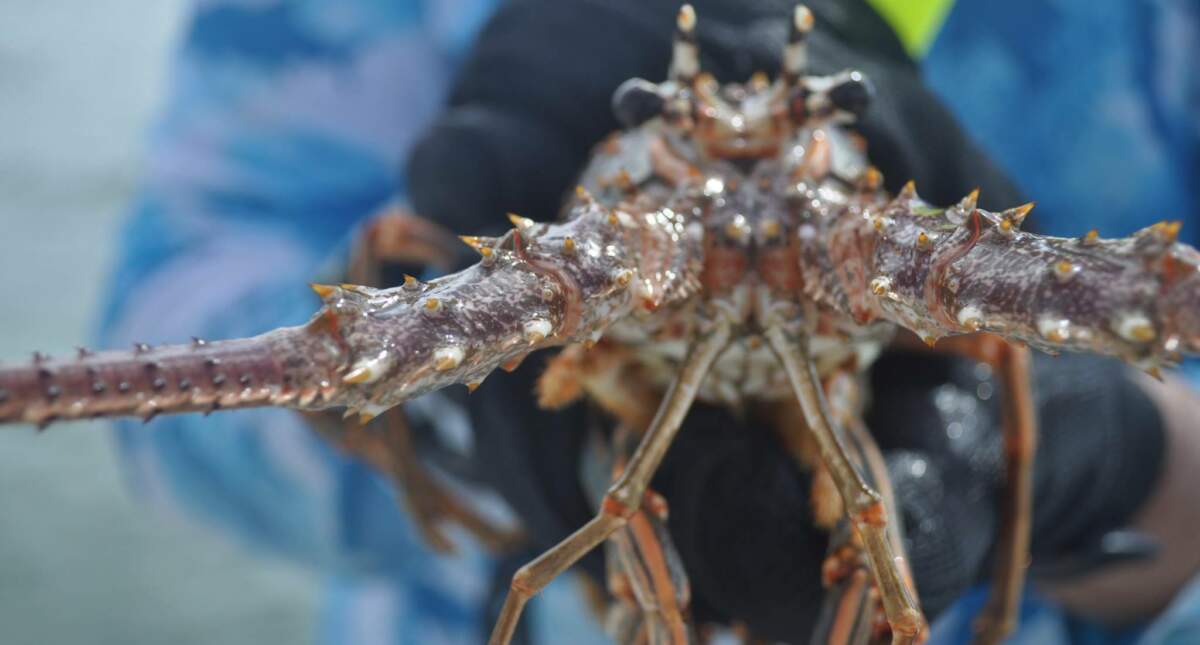
Wearing gloves is important, as spiny lobster have sharp protrusions that can easily cut bare hands. A properly displayed dive flag is required by law and helps protect you from boat traffic while you’re in the water.
How to Catch Spiny Lobster in the Florida Keys
Lobstering is a hands-on activity that requires patience and a calm approach.
Once you locate a lobster, move slowly and avoid sudden movements. Lobster will quickly retreat deeper into their hole if startled. Position your net behind the lobster and gently guide it forward into the net opening.
After securing the lobster, immediately measure it while still in the water using a gauge. Only legal-sized lobster may be kept. Proper handling is important — hold lobster firmly behind the carapace to avoid injury.
Common Mistakes First-Time Lobster Hunters Make
Many lobster violations and lost catches come from simple mistakes, including:
Measuring lobster on the boat instead of in the water
Keeping undersized lobster
Harvesting egg-bearing females
Exceeding daily bag limits
Lobstering in protected or closed areas
Failing to properly display a dive flag
Taking the time to understand regulations and best practices before lobstering helps ensure a safe, legal, and enjoyable experience.
Conservation & Responsible Lobstering in the Keys
The Florida Keys are home to a delicate and unique marine ecosystem. Responsible lobstering plays an important role in maintaining healthy lobster populations and protecting reef habitats.
Avoid damaging coral, don’t overcrowd lobster holes, and only harvest legal lobster. Ethical and responsible practices help preserve the fishery so it can be enjoyed for generations to come.
How to Cook & Eat Florida Keys Lobster
Fresh Florida Keys spiny lobster is prized for its sweet, firm meat. After harvesting lobster legally, they should be kept cool and cooked as soon as possible.
Most people prefer to steam or boil lobster simply, allowing the natural flavor to shine. Melted butter, lemon, or light seasoning are popular additions, but Florida spiny lobster is excellent even with minimal preparation.
Final Thoughts
Lobstering in Key West and the Florida Keys is a rewarding way to experience the water, explore local reef systems, and take part in one of Florida’s most iconic seasonal traditions. Whether you’re snorkeling shallow patch reefs or diving deeper ledges, understanding the seasons, regulations, and techniques makes all the difference.
For those who want to experience lobster season safely and responsibly, learning from local knowledge and following best practices helps protect both the resource and the experience.
Frequently Asked Questions About Lobstering in the Florida Keys
When is lobster season in Key West?
Lobster season in Key West includes a short recreational mini season in late July, followed by the regular season, which runs from early August through the end of March. Conditions can vary throughout the season depending on weather, water clarity, and fishing pressure.
Do I need a license to lobster in the Florida Keys?
Yes. Anyone harvesting lobster in the Florida Keys must have a valid Florida saltwater fishing license along with a spiny lobster permit. A lobster measuring gauge is also required, and all lobster must be measured in the water before being brought aboard.
Where can you legally lobster in the Florida Keys?
Lobstering is allowed in many areas throughout the Florida Keys, but certain locations such as marine sanctuaries and protected zones are closed to harvest. It’s important to review local maps and regulations to ensure you are lobstering in legal areas before entering the water.
Can you lobster from shore in Key West?
In some areas, shore-access lobstering is possible in the Florida Keys, but access can be limited. All licensing, size limits, and safety requirements still apply, including the proper use of a dive flag when snorkeling or diving from shore.
What is the best time of day to catch lobster in the Keys?
Lobsters are often easiest to spot during daylight hours when they are hiding in holes and under ledges. Calm seas, light winds, and good water visibility generally have a greater impact on success than the specific time of day.
Our Gulf Coast Outdoor Brands
© 2026 Capt. Jason Dozier.